Understanding DPI, PPI and megapixels – image resolution explained
Image resolution is one of the most misunderstood topics in digital imaging. Brands advertise megapixels, printers demand 'at least 300 DPI', and monitors are listed in PPI. What does what — and what really matters?
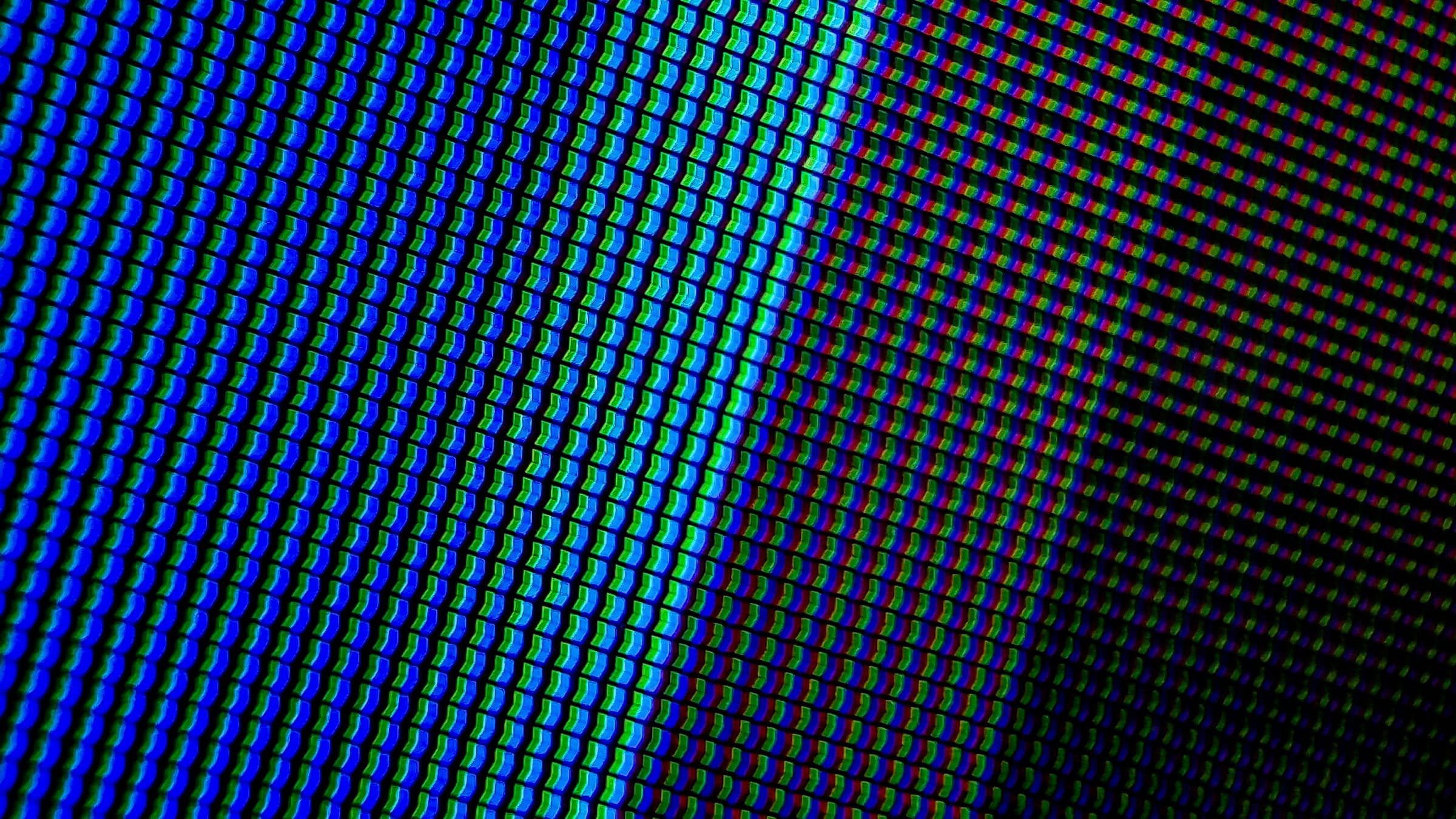
PPI: pixels per inch — the screen metric
PPI (Pixels Per Inch) tells you how many pixels fit into one inch of screen area. A standard monitor sits around 96 PPI, an iPhone display at 458 PPI. Higher PPI = sharper rendering. Important caveat: the PPI value stored in an image file is just metadata — it doesn't change the pixel count.
So a 1000×1000 image stays 1000×1000 whether you tag it as 72 PPI or 300 PPI. PPI only becomes meaningful when printing or when software works with physical units.
DPI: dots per inch — the print metric
DPI (Dots Per Inch) refers to printing and tells you how many ink dots a printer can lay per inch. A typical inkjet does 1200×1200 DPI — but those are printer dots, not image pixels. They connect through the physical output size.
Rule of thumb for print: you want about 300 PPI in the image at the final print size. An A4 photo (21×29.7 cm) needs roughly 2480×3508 pixels ≈ 8.7 megapixels. Posters viewed from a distance get away with 100–150 PPI.
Megapixels — a marketing number with substance
Megapixels = width × height in pixels, divided by 1,000,000. A 4000×3000 photo is 12 MP. More MP means more detail, but only if the optics (lens, sensor) keep up. A 100 MP photo from a weak smartphone sensor is not necessarily sharper than a 12 MP shot from a good camera.
Practice: web use needs barely 1 MP. A4 print: 8–10 MP. A3 or larger: 15+ MP. If you crop heavily, you'll want more headroom in the source. Megapixels are one factor — optics, sensor and processing also weigh in.
From display to billboard
A 27-inch 4K monitor sits around 163 PPI. An iPhone 15 Pro display hits 460 PPI — nearly 3x the pixel density. Same image size, the iPhone display feels sharper, which is why web images need more detail there.
Billboard printing, by contrast, runs at 100 PPI or less — you view them from 3 metres, not 30 centimetres. The bottleneck there isn't resolution but colour and contrast: PMS spot colours over CMYK mixes for a vivid first impression.
Resize images without quality loss
Scale to your target size with professional algorithms.
Open ResizerRelated articles
 Basics
JPG vs JPEG – is there a difference?
Short answer: no. But here's why there are two extensions for the same format — and what to watch out for anyway.
 Basics
Lossy vs lossless – understanding image compression
What actually happens when you compress? When do you lose quality — and when don't you? The fundamentals, with no magic involved.